
Why Neglecting Your Septic Tank Will Ruin Your Brand-New Water Heater
A brand-new water heater is a major home investment, so it makes sense to protect it by looking beyond the appliance itself. One issue homeowners sometimes overlook is the condition of the septic and drain system serving the same house. A neglected septic tank does not directly damage the water heater mechanically, but septic backups and restricted drainage can create plumbing problems that interfere with normal water use and put a new installation at risk.
For homeowners in Ames, Nevada, and surrounding Story County communities, maintaining both systems is part of protecting the home's plumbing as a whole. At Draintech Plumbing Drain Cleaning Hydro Jetting, we service water heaters, septic systems, drains, and related plumbing, allowing our team to evaluate problems from both sides of the system.
Understand How the Two Systems Are Connected
The home's hot-water equipment supplies hot water to fixtures and appliances, while the septic system receives the wastewater that leaves those fixtures. They perform very different jobs, but they are connected through the home's plumbing. Every hot shower, load of laundry, or sink full of dishes eventually sends water toward the septic system.
If the septic tank or drain field cannot accept wastewater normally, drains can slow or back up. The water heater itself does not cause that backup, but normal hot-water use may become difficult or unsafe when the drainage side of the plumbing system is already overloaded.
Recognize What Septic Neglect Can Actually Do
Septic tanks collect solids that must be removed periodically. Draintech notes that bacteria break down some solids, but not all of them. If too much material accumulates, solids can move into the lateral field, where they may contribute to clogging, system failure, or a backup into the home.
A neglected septic system can therefore create a problem throughout the household plumbing. Slow drains, gurgling fixtures, sewage odors, or wastewater backing up into lower fixtures are warnings that should be addressed before continuing normal water use.
Protect a New Water Heater From Backup Conditions
A new unit is designed to heat and deliver clean supply water. It is not designed to manage a wastewater backup. When the septic system is failing, the immediate risk is usually to the home's drains, fixtures, floors, walls, and surrounding areas rather than to the internal tank of the heater itself.
However, a severe backup can disrupt the plumbing environment around the installation, especially if the heater is located near a floor drain, utility sink, or other low drainage point. Wastewater intrusion can damage surrounding materials and create conditions that require cleanup or additional plumbing work. Protecting the new appliance therefore includes keeping the drainage system functioning properly.
Schedule Septic Pumping Before Problems Develop
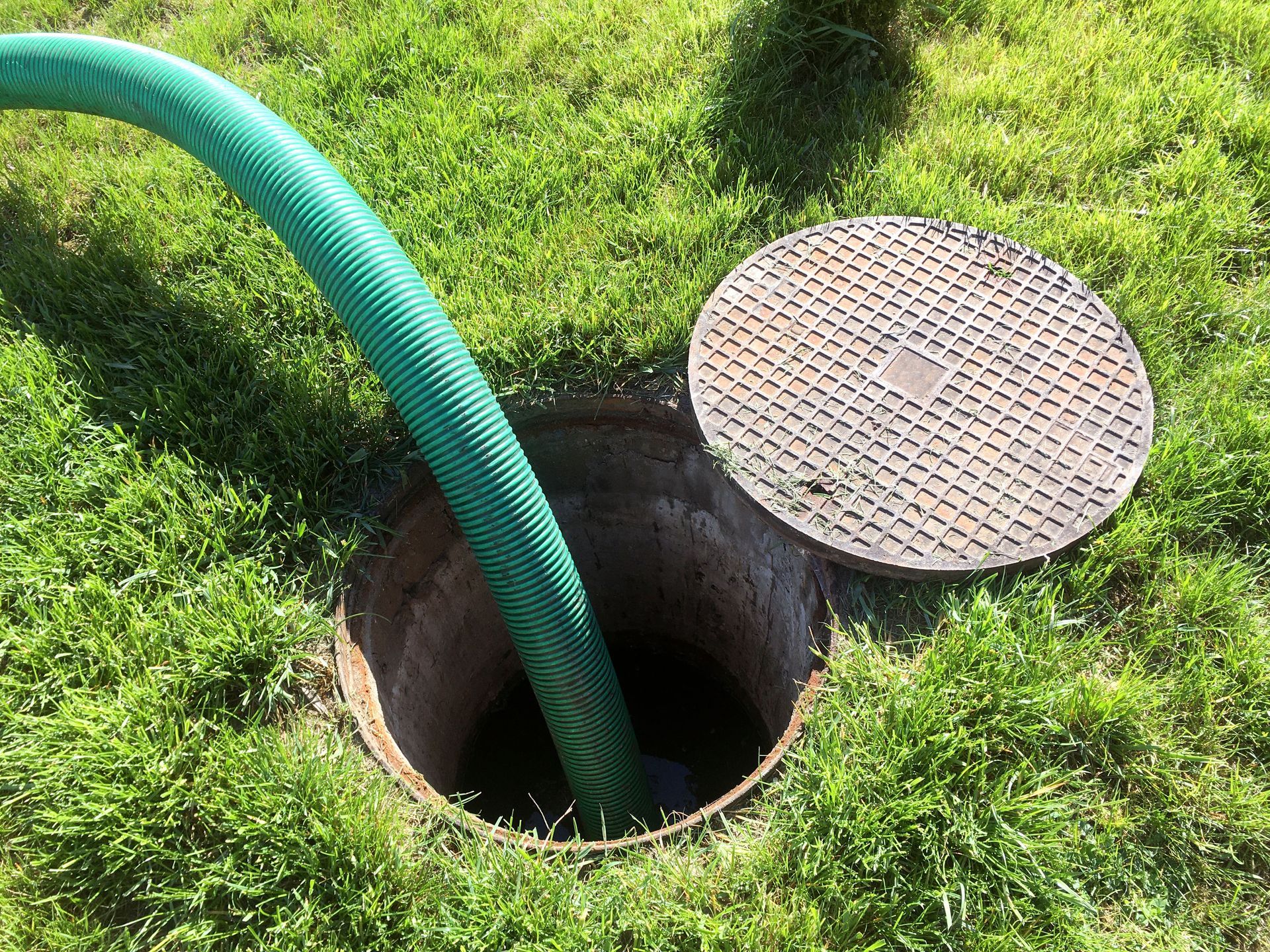
Routine pumping removes accumulated solids before they reduce the tank's working capacity or reach areas where they can interfere with the system. Draintech recommends septic pumping every three to five years and notes that Story County requires septic tanks to be pumped every five years.
The ideal schedule can depend on household size, tank size, wastewater use, and system condition. Homes with heavier water use may place more demand on the septic system than homes with fewer occupants. A professional inspection can help determine whether the tank is approaching the point where service is needed. Keeping records of previous pumping dates and inspections can make future maintenance recommendations easier to plan.
Keeping the septic system on schedule is especially important before or after a major plumbing upgrade. If you are investing in new hot-water equipment, it makes sense to confirm that the wastewater side of the home can continue handling the water your household uses every day.
Watch for Warning Signs Before Using More Hot Water
Some symptoms suggest that the septic or drain system should be inspected before the household continues using large amounts of water. Recognizing these signs early can help prevent a minor drainage concern from becoming a larger backup.
- Multiple slow drains: Several sinks, tubs, or showers draining slowly can indicate a larger system restriction.
- Gurgling plumbing: Unusual sounds from drains or toilets may signal that wastewater is not moving normally.
- Sewage odors: Persistent wastewater smells inside or outside the home deserve professional attention.
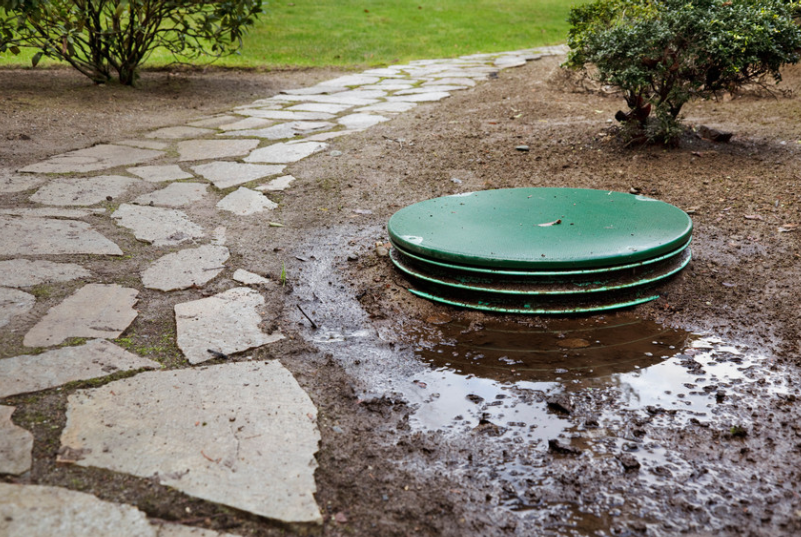
- Standing water: Wet or unusually saturated areas near the septic system may indicate a drainage problem.
- Recurring backups: Repeated clogs or wastewater returning through fixtures can point to more than an isolated drain blockage.
Maintain the Water Heater on Its Own Schedule
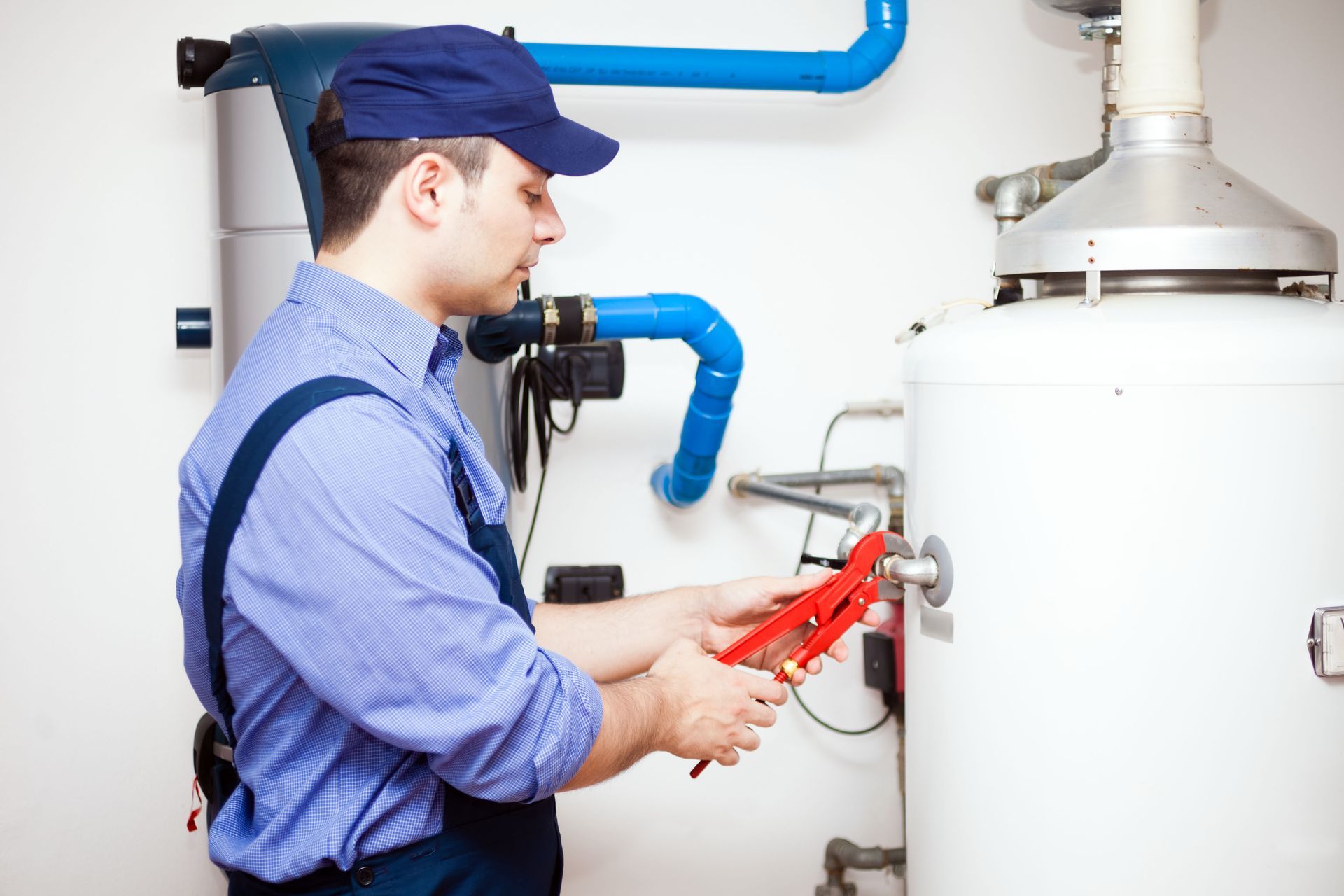
Septic maintenance does not replace maintenance for the hot-water system. The appliance has its own components and failure risks, including sediment buildup, corrosion, leaks, faulty heating elements, and other mechanical or plumbing problems. Draintech provides repair and replacement service for both gas and electric units and keeps water heaters and parts available for many common needs.
According to the U.S. Department of Energy, water heating accounts for about 18% of the average household's energy use. Because hot water represents a meaningful share of home energy consumption, proper sizing, installation, and maintenance matter for both comfort and efficiency. An efficient, properly functioning unit can also help homeowners avoid wasting energy while meeting normal household demand.
If the unit is leaking, producing inconsistent temperatures, making unusual noises, or failing to provide enough hot water, the problem should be evaluated directly rather than blamed on the septic system.
Avoid Confusing Drainage Problems With Heater Problems
When a plumbing problem appears soon after a new appliance is installed, it is easy to assume the new equipment caused it. A slow tub after a new installation, for example, does not necessarily mean something is wrong with the heater. The home may have a drain restriction or septic problem that became noticeable as water use continued.
This is where working with a plumbing company that services both supply and drainage systems can be helpful. A technician can evaluate whether the concern originates with the hot-water equipment, the drain line, or the septic system instead of replacing parts that are not responsible for the problem.
Coordinate Septic and Plumbing Maintenance Together
Homeowners do not need to treat each plumbing component as an isolated system. A better approach is to consider how water enters the home, how it is heated and distributed, and how wastewater leaves. Problems at either end can affect everyday use of showers, sinks, laundry equipment, and other fixtures.
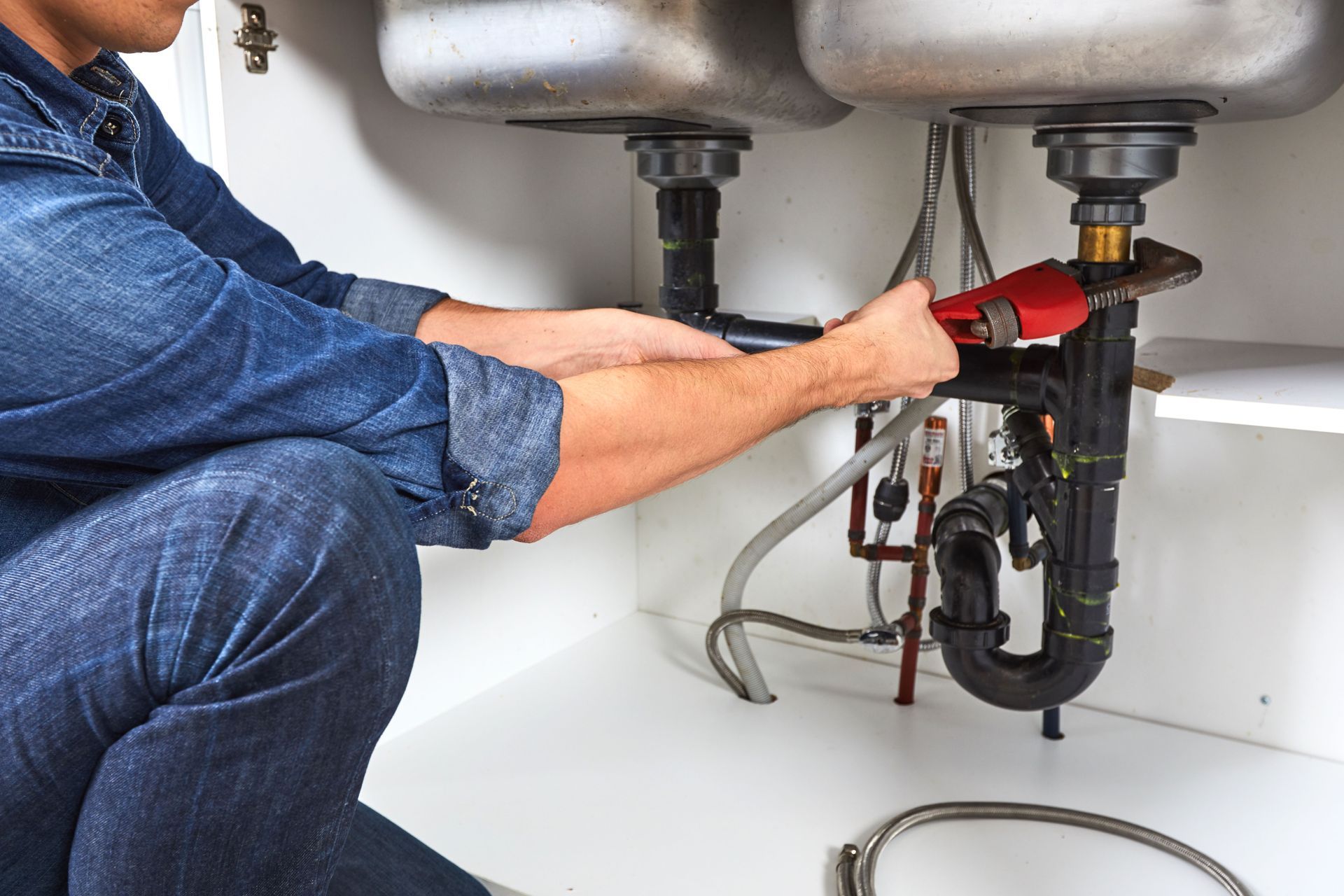
Draintech provides septic pumping and inspections as well as drain cleaning, hydro jetting, sewer services, plumbing repairs, and hot-water equipment service. Coordinating these services can help identify problems earlier and make maintenance planning easier, especially in homes with older plumbing or a history of backups. It can also help homeowners separate routine maintenance from urgent repair needs, creating a clearer plan for protecting both the wastewater system and the equipment that supplies hot water.
Protect Your Investment With Professional Service
The idea that a neglected septic tank will directly destroy a new water heater is too simple. The real concern is that an overloaded or failing septic system can create backups and drainage problems throughout the home, putting surrounding plumbing, finishes, and normal water use at risk. The appliance still needs its own maintenance, but it performs best as part of a plumbing system that is working correctly from supply to drainage.
Draintech Plumbing Drain Cleaning Hydro Jetting has served Story County and surrounding Iowa communities since 1983. Our licensed, bonded, and insured team provides septic pumping and inspections, drain cleaning, hydro jetting, plumbing service, and gas and electric water heater repair and replacement.
If you are installing new hot-water equipment or noticing slow drains, backups, or septic concerns, contact Draintech Plumbing Drain Cleaning Hydro Jetting. We can evaluate the relevant systems, address the actual source of the problem, and help protect your water heater, septic system, and overall plumbing investment with professional service and maintenance.


Share On: