
Understanding Water Heaters and How They Impact Energy Bills
Hot water is part of daily life in nearly every home. From showers and laundry to dishwashing and cleaning, families rely on steady access to heated water throughout the day. Because this system works quietly in the background, it is easy to overlook how much energy it uses. However, water heaters can have a major effect on monthly utility costs, especially when they are outdated, inefficient, poorly maintained, or not matched to the household’s needs. Over time, even small efficiency problems can increase operating costs and reduce overall performance.
Understanding how these systems work can help homeowners make smarter decisions about maintenance, upgrades, and daily use. A few small changes, such as adjusting temperature settings, fixing leaks, flushing sediment, or choosing a more efficient model, can make a noticeable difference over time. By learning what affects energy use, homeowners can improve comfort while reducing unnecessary waste. Better awareness can also help families avoid costly breakdowns and make more informed decisions when repairs or replacement become necessary.
Understanding How Hot Water Is Used
Every household uses hot water differently. A large family may run multiple showers, laundry loads, and dishwasher cycles each day, while a smaller household may use far less. The more hot water a home uses, the harder the system must work to keep up with demand. This can increase energy use and place more strain on the equipment over time. Homes with frequent guests or changing schedules may also experience fluctuations in daily hot water demand.
Daily habits also affect utility bills. Long showers, washing clothes in hot water, and running partial dishwasher loads can all increase energy demand. Homeowners who pay attention to hot water use may be able to reduce waste without sacrificing comfort. Simple changes, such as using cold water for laundry when possible or installing low-flow fixtures, can help lower demand. These adjustments may seem minor at first, but they can contribute to noticeable savings over time while helping water heaters operate more efficiently.
Comparing Tank and Tankless Systems
Traditional tank systems store heated water until it is needed. These units keep water warm throughout the day, even when no one is using it. This standby energy use can contribute to higher bills, especially if the tank is older or poorly insulated. However, tank systems remain common because they are familiar, widely available, and often less expensive to install upfront. Many homeowners continue to choose tank systems because they can reliably supply hot water for multiple fixtures at the same time.
Tankless systems heat water only when needed. This can reduce standby energy loss and may improve efficiency for some households. However, tankless units must be sized properly to meet demand, especially if multiple fixtures are used at the same time. Homeowners comparing water heaters should consider installation costs, household size, water use habits, and long-term energy savings before choosing a system. Consulting with a plumbing professional can also help homeowners understand which option best fits their property and lifestyle.
Recognizing the Role of Efficiency
Efficiency plays a major role in how much it costs to heat water. Older systems often use more energy than newer models because they may have worn components, outdated technology, or reduced performance. Even if the unit still produces hot water, it may be working harder than necessary to meet household demand. Reduced efficiency can gradually increase utility costs without homeowners realizing the cause.
According to the U.S. Department of Energy, water heating makes up approximately 18% of the typical household’s energy consumption. This makes efficiency an important factor for homeowners who want to manage monthly utility costs. Choosing efficient equipment, keeping the system maintained, and reducing wasteful habits can all help limit unnecessary energy use. Paying attention to energy ratings when purchasing new water heaters can also help homeowners identify models that support lower operating costs over time.
Adjusting Temperature Settings
The temperature setting on a water heater affects both comfort and cost. If the temperature is set too high, the system uses more energy to keep the water hotter than necessary. It can also increase the risk of scalding, especially for children or older adults. Many homeowners choose a moderate setting that provides enough hot water while helping control energy use. Finding the right balance can improve safety while also lowering utility expenses.
Lowering the temperature slightly may reduce energy waste without making daily routines uncomfortable. If hot water runs out too quickly after an adjustment, the system may be undersized, aging, or experiencing another issue. A plumbing professional can inspect the unit and determine whether the temperature setting, thermostat, heating element, or another component needs attention. Addressing these concerns early may help restore performance and improve energy efficiency.
Maintaining the System Regularly
Regular maintenance helps water heaters operate more efficiently and last longer. Sediment can build up inside tank-style units as minerals settle at the bottom. Over time, this buildup can reduce heating performance, create rumbling noises, and force the system to use more energy. Excess sediment may also reduce the amount of available hot water and place additional strain on heating components.
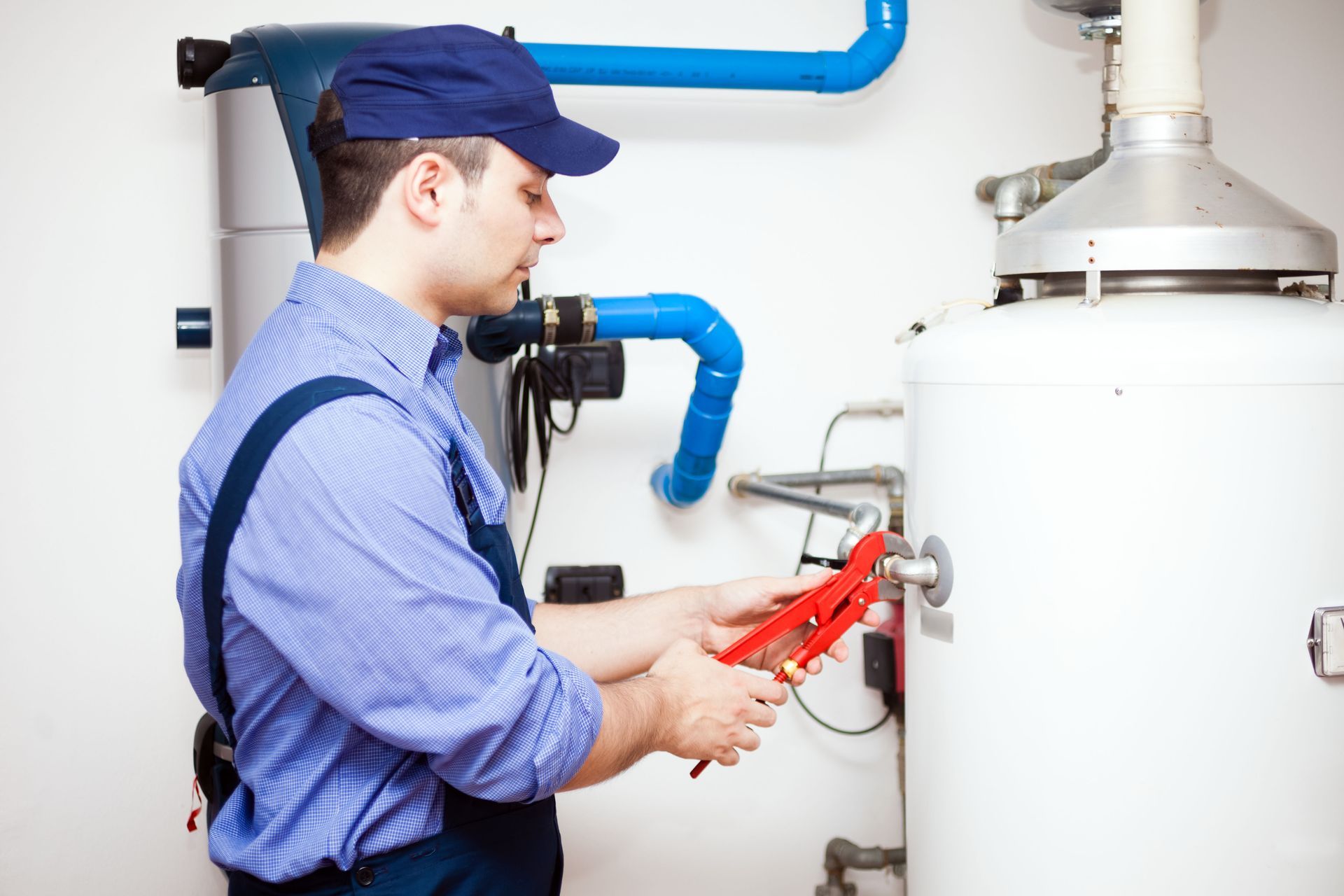
Maintenance may also include checking the pressure relief valve, inspecting the anode rod, looking for leaks, and reviewing pipe connections. These steps can help identify small concerns before they become costly problems. A well-maintained system is more likely to provide dependable hot water while using energy more effectively. Scheduling regular inspections can also help homeowners better understand the condition of their equipment and plan for future service needs.
Identifying Leaks and Heat Loss
Leaks can waste both water and energy. Even a small drip from a valve, pipe, or tank connection may cause the system to work harder than necessary. If hot water is leaking, the unit must continually heat replacement water, which can raise energy bills and increase wear on the system. Ignoring leaks may also lead to water damage, mold growth, or structural concerns around the unit.
Heat loss can also affect performance. Poorly insulated tanks or hot water pipes may allow heat to escape before the water reaches fixtures. Insulating exposed hot water pipes can help maintain temperature as water travels through the home. This may reduce wait times at faucets and limit the amount of wasted water that runs down the drain while homeowners wait for it to heat. Better insulation can also improve efficiency during colder months when heat loss may become more noticeable.
Improving Daily Energy Habits
Household behavior has a major effect on energy bills. Shorter showers, full laundry loads, efficient dishwasher use, and prompt leak repairs can all reduce hot water demand. These habits may seem small, but they can add up over time, especially in homes with several family members using hot water throughout the day. Reducing unnecessary hot water use may also help extend the lifespan of water heaters by limiting excessive strain on the system.
Upgrading fixtures can also help. Low-flow showerheads and faucet aerators reduce the amount of hot water used without greatly affecting comfort. Homeowners may also benefit from washing clothes in cold water when possible. By combining efficient habits with a properly maintained system, households can reduce energy waste and improve long-term performance. These improvements can support both lower utility bills and more consistent access to hot water throughout the home.
Water heating is a major part of household energy use, and understanding the factors that influence it can help homeowners make better decisions. System type, age, efficiency, maintenance, temperature settings, leaks, insulation, and daily habits all affect monthly utility costs. By caring for water heaters properly and planning ahead for replacement when needed, homeowners can improve comfort, reduce waste, and better manage energy expenses. Paying attention to system performance and maintenance can also help prevent unexpected disruptions and costly repairs. For professional plumbing support and dependable service, contact Draintech Plumbing Drain Cleaning Hydro Jetting today.





Share On: